Showing posts with label Email Marketing. Show all posts

A Beginner'S Guide to Email Marketing Automation for Small Businesses: Boost Sales Fast

 Email marketing is one of the best ways to reach your customers. It helps you stay in touch and share news. But sending emails one by one takes time. That is where email marketing automation comes in.

In this guide, you will learn what email marketing automation is. You will also learn how small businesses can use it easily. No need to worry if you are new to this. We will explain everything step by step.

What Is Email Marketing Automation?

Email marketing automation means sending emails automatically. You set up rules, and the system sends emails for you. It does not need you to send each email by hand.

For example, when someone signs up for your newsletter, they get a welcome email right away. Or, if a customer buys something, they get a thank you email automatically. This saves you time and helps your business grow.

Why Should Small Businesses Use Email Marketing Automation?

  • Saves Time: No need to send emails one by one.

  • Builds Relationships: Stay connected with customers regularly.

  • Increases Sales: Send offers and reminders to customers.

  • Personalizes Messages: Send emails based on customer actions.

  • Tracks Results: See how many people open or click emails.

How Does Email Marketing Automation Work?

It works by using software. You create email messages and set rules for sending them. The rules are called “triggers.”

Triggers can be:

  • When someone joins your email list.

  • When a customer buys a product.

  • When a customer does not open your emails.

  • When a customer clicks a link in an email.

Based on these triggers, the software sends the right email at the right time.

Steps to Start Email Marketing Automation for Your Small Business

Step 1: Choose The Right Email Marketing Tool

There are many tools available for email marketing automation. Some popular ones are Mailchimp, Constant Contact, and Sendinblue. Choose a tool that is easy to use and fits your budget.

Look for these features:

  • Easy email builder.

  • Automation options.

  • Good customer support.

  • Reports and tracking.

Step 2: Build Your Email List

To send emails, you need a list of email addresses. You can collect emails through your website, store, or social media.

Ways to collect emails:

  • Offer a free guide or discount for signing up.

  • Add a sign-up form on your website.

  • Ask customers in person to join your list.

Step 3: Plan Your Emails

Think about what emails you want to send automatically. Some common emails are:

Email Type

Purpose

When to Send

Welcome Email

Introduce your business

Right after sign-up

Thank You Email

Show gratitude after purchase

After customer buys

Promotional Email

Share special offers

Before holidays or sales

Reminder Email

Remind about abandoned carts

Within 24 hours of cart abandonment

Feedback Email

Ask customers for reviews

A few days after purchase

Step 4: Create Your Email Content

Write simple and clear emails. Use short sentences and easy words. Make sure to include a clear message and a call to action.

For example:

  • Welcome email: “Thank you for joining! Here is a 10% off coupon.”

  • Promotional email: “Our summer sale starts today. Save big!”

Step 5: Set Up Automation Rules

Use your email tool to create automation workflows. A workflow is a set of steps the system follows to send emails.

Example of a simple workflow:

  1. Trigger: New subscriber joins the list.

  2. Action: Send welcome email immediately.

  3. Wait 3 days.

  4. Action: Send a follow-up email with a coupon.

Step 6: Test Your Emails

Before sending to everyone, send test emails to yourself. Check if the links work and if the email looks good on phone and computer.

Step 7: Monitor And Improve

After sending emails, check your reports. See how many people open your emails or click links.

Use this information to improve your emails over time. Try different subject lines or messages to see what works best.

Tips for Success with Email Marketing Automation

  • Keep emails short and easy to read.

  • Use clear subject lines. Tell readers what the email is about.

  • Send emails regularly, but not too often.

  • Make emails personal. Use the customer’s name if possible.

  • Always include a clear call to action. Tell readers what to do next.

  • Respect privacy. Always get permission before sending emails.

Common Mistakes to Avoid

  • Sending too many emails and annoying customers.

  • Not testing emails before sending.

  • Ignoring the email list and sending to wrong people.

  • Using complicated language.

  • Not checking results and not improving.

Conclusion

Email marketing automation can help your small business grow. It saves time and helps you talk to customers better. By following these easy steps, you can start using automation today.

Remember, keep your emails simple, clear, and helpful. Watch your results and make changes when needed. Your customers will appreciate your messages, and your business will benefit too.

The ROI of Follow-Ups: Email Sequences That Drive Consistent Sales Fast

When you sell a product or service, you want to keep your customers interested. One way to do this is by sending follow-up emails. These emails help remind your customers about what you offer. They also build trust and make people more likely to buy from you again.

What Is ROI and Why Does It Matter?

ROI means Return on Investment. It shows how much profit you make compared to the money you spend. When you send follow-up emails, you spend time and resources. But if these emails bring more sales, your ROI is good.

Good follow-ups often bring more sales than a single email or one message. So, spending time on follow-ups usually pays off.

Why Follow-Up Emails Work

People are busy. They may see your first email but forget to reply. A follow-up email reminds them about your offer. It shows you care.

Also, some people need more time to decide. Follow-ups give them the chance to think more.

Here are some reasons why follow-up emails help:

  • Build trust: Regular contact makes people trust you.

  • Answer questions: Follow-ups can clear doubts.

  • Stay top of mind: Your name stays in their thoughts.

  • Encourage action: Gentle reminders push people to buy.

What Are Email Sequences?

Email sequences are a series of emails sent over time. Each email has a clear goal. For example, the first email might say “thank you.” The next can offer more information.

Sequences help you plan your messages. They guide your customers step by step. The goal is to move them closer to buying.

Example Of A Simple Email Sequence

Email Number

Purpose

Content Idea

1

Welcome

Thank the customer and introduce your brand.

2

Information

Share key benefits of your product or service.

3

Reminder

Gently remind about the offer or product.

4

Social proof

Show reviews or testimonials.

5

Final call

Invite the customer to take action before offer ends.

How to Write Follow-Up Emails That Work

Here are simple tips to write good follow-up emails:

  • Keep it short: Use simple words and short sentences.

  • Be clear: Say what you want them to do next.

  • Be polite: Thank them and be friendly.

  • Personalize: Use their name if you can.

  • Use a strong subject line: Make them want to open the email.

  • Include a call to action: Tell them what to do next.

The Right Timing for Follow-Ups

Timing is important. If you send emails too fast, people may get annoyed. If you wait too long, they may forget you.

Here is a simple schedule you can try:

  • Send the first email right after a customer shows interest.

  • Send the second email 2-3 days later as a reminder.

  • Send a third email 5-7 days after the second if no reply.

  • Send a final email 7-10 days later as a last call.

This plan gives enough time without being too pushy.

Tracking Your Follow-Up Success

You need to know if your emails work. Tracking helps you see which emails get opened or clicked.

Use tools that show you:

  • Open rates: How many people open your email.

  • Click rates: How many people click links.

  • Reply rates: How many people answer you.

  • Sales made: How many sales come from your emails.

With this data, you can change emails to do better.

Benefits of Follow-Up Email Sequences

Follow-up emails bring many benefits for your business:

  • More sales: Reminders help people buy.

  • Better relationships: Regular contact builds trust.

  • Save time: Automated sequences send emails for you.

  • Learn about customers: Responses show what they like.

Common Mistakes to Avoid

Not all follow-up emails work. Here are mistakes to avoid:

  • Sending too many emails can annoy people.

  • Using difficult words makes emails hard to read.

  • Not personalizing emails feels cold and robotic.

  • Ignoring data means missing chances to improve.

Putting It All Together

Follow-up email sequences are a smart way to grow sales. They keep your customers interested. They remind people gently without pressure. They build trust and show you care.

Start by making a simple plan. Write short, clear emails. Send them at the right time. Track your results and improve. Over time, you will see more sales and happier customers.

Remember, follow-ups are about helping, not pushing. Be kind and clear. Your customers will thank you by buying again.

Why Email Marketing is Still the King of Small Business ROI: Unbeatable Results

Small businesses want to grow. They want to reach more customers. But they often have small budgets. So, they need smart ways to spend their money. One way that works well is email marketing. Even today, email marketing is the king of small business ROI. But why?


What is Email Marketing?

Email marketing means sending messages to people by email. These messages can tell about a sale, a new product, or news about the business. It helps businesses stay in touch with customers. It also helps find new customers.

Many people think email is old. But it is still very strong. Why? Because almost everyone uses email. It is simple and direct.

Email Marketing Costs Less

Small businesses often do not have much money for ads. Big ads on TV or billboards cost a lot. But sending emails costs very little. You only need a computer and an email list.

There are tools that help send emails to many people. These tools are cheap. Some even offer free plans for small lists. This means small businesses can start email marketing without spending much.

Email Marketing Reaches the Right People

One big benefit of email marketing is it reaches people who want to hear from you. When people sign up for your emails, they say yes to get news from you.

This means you send messages to people interested in your business. This is better than other ads that go to everyone, even those who do not care.

Email Marketing Builds Strong Relationships

Emails help businesses talk with customers often. When customers get regular emails, they remember the business. Over time, trust grows.

Trust is very important. People buy from businesses they trust. Email helps keep that trust alive. It is a simple way to say, "We care about you."

Email Marketing Lets You Track Results Easily

One great thing about email marketing is you can see what works. You can know how many people opened your email. You can see how many clicked on links.

This information helps you do better next time. You learn what customers like. Then, you send better emails. This is important for small businesses with little money.

Email Marketing Helps Bring Customers Back

It is easier to sell to old customers than new ones. Email marketing helps remind customers about your business. You can send special offers or news to bring them back.

Many small businesses get most of their sales from repeat customers. Email marketing helps keep those customers coming back.

Email Marketing Can Work on Mobile Phones

Many people use phones to check email. This means your message can reach customers anytime, anywhere. This is very useful today.

Good email marketing uses simple designs that look good on phones. This way, customers can read your message easily.

Email Marketing Works Well With Other Marketing

Email can work with social media and websites. You can use email to invite people to visit your social pages or website.

This helps make your marketing stronger. It helps customers see your business in many places.

Common Myths About Email Marketing

Myth

Reality

Email is too old.

More than 4 billion people use email today.

People hate marketing emails.

People like emails from businesses they trust.

Email marketing is too hard.

Many tools make it easy to send emails.

Email marketing is expensive.

It costs less than most other ads.

How to Start Email Marketing for Your Small Business

Starting email marketing is simple. Here are some easy steps:

  1. Build a list. Ask customers to give their email on your website or store.

  2. Choose an email tool. Use tools like Mailchimp or Constant Contact.

  3. Create simple emails. Write short, clear messages about your business.

  4. Send emails regularly. Keep in touch, but don’t send too many.

  5. Check results. See who opens and clicks your emails.

  6. Improve emails. Use what you learn to make better emails.

Tips for Better Email Marketing

  • Use a clear subject line. It should tell what the email is about.

  • Make emails easy to read. Use short sentences and simple words.

  • Add a call to action. Tell people what you want them to do, like visit your store.

  • Include images. Pictures can help explain your message.

  • Respect privacy. Don’t share emails or send spam.

Why Email Marketing Gives the Best ROI

ROI means return on investment. It shows how much money you make compared to what you spend. Email marketing has one of the best ROIs for small businesses.

Here is why:

  • Low cost: It costs very little to send many emails.

  • High reach: Emails go directly to interested people.

  • Easy tracking: You can see what works and what does not.

  • Strong relationships: Emails help build trust and loyalty.

  • More sales: Email helps bring customers back to buy again.

Conclusion

Email marketing is still the king for small business ROI. It is affordable, direct, and easy to use. It helps build strong relationships with customers. It also helps bring customers back to buy more.

If you want your small business to grow, email marketing is a smart choice. It works well with small budgets. It reaches the right people. And it helps your business stay in customers’ minds.

So, do not ignore email marketing. It can be the key to your small business success.

The Ultimate Cold Email Template That Actually Gets Responses: Proven Tips


Sending cold emails can be hard. Many people do not answer. But what if you had a simple email that works?

In this article, you will get a clear, easy cold email template. It helps you get replies. You will also learn tips to make your emails better.


What Is a Cold Email?

A cold email is a message sent to someone you don’t know. You want to start a conversation.

It could be for a job, business, or help. The goal is to get a reply.

Why Do Many Cold Emails Fail?

  • Emails are too long and confusing.

  • They sound too salesy or pushy.

  • The sender does not explain why they write.

  • No clear question or call to action.

  • The email feels like spam.

If you want answers, avoid these mistakes.

How to Write a Cold Email That Gets Responses

Follow these simple steps:

  1. Start with a clear subject line. Make it short and interesting.

  2. Greet the person by name. It shows respect and care.

  3. Say why you write. Be clear and honest.

  4. Explain what you want. Keep it short.

  5. Ask a simple question. This makes it easy to reply.

  6. Thank them in advance. Politeness helps.

  7. Sign your name. Add contact info if needed.

The Ultimate Cold Email Template

Here is the cold email that many people use and get replies:

Part

Example

Why It Works

Subject Line

Quick question, [Name]

Short, personal, and invites curiosity.

Greeting

Hi [Name],

Simple and polite.

Introduction

I’m [Your Name], and I work with [Company/Role].
I noticed you [something about them or their work].

Shows who you are and that you did some research.

Reason for Email

I wanted to ask if you have a moment to discuss [topic or problem].
I think it might be helpful for you.

Clear and focused on their benefit.

Call to Action

Would you be open to a quick call next week?

Easy to answer yes or no.

Closing

Thanks for your time.
Best, [Your Name]

Polite and professional.

Example Cold Email Using This Template

Here is a real example:

My name is John. I work with Bright Tech Solutions.

I saw your recent article about small business marketing.

I wanted to ask if you have time to talk about how we can help you reach more customers.

Would you be open to a quick call next week?

Tips to Improve Your Cold Emails

  • Keep it short. People are busy.

  • Use simple words. Avoid big or hard words.

  • Personalize each email. Mention something about the person.

  • Check spelling and grammar. Mistakes can make you look unprofessional.

  • Follow up once or twice. Sometimes people miss the first email.

  • Send emails at the right time. Weekdays in the morning work well.

What to Avoid in Cold Emails

  • Don’t send very long emails.

  • Don’t use too many sales words.

  • Don’t ask for too much in the first email.

  • Don’t write in all capital letters.

  • Don’t forget to add a clear question.

Why This Template Works

This template works because it is clear and polite. It shows respect for the reader’s time. It also makes replying easy. The personal touch helps the reader feel you care.

Many people get no answers because they send emails that are too long or confusing. This template keeps it simple and clear.

Final Words

Cold emails do not have to be scary. Use this template to start your message. Personalize it for each person.

Remember: keep your email short, polite, and clear. Ask a simple question. Say thank you. Then wait for the reply.

With practice, you will get more responses. Your emails will open new doors.

Your Email List Is Your Most Valuable Asset

Social media platforms can change their algorithm on a Tuesday afternoon and cut your organic reach in half by Wednesday. Ad costs can double in a quarter. A platform can shut down, get banned, or simply fall out of fashion. These things have all happened before, and they'll happen again. But your email list? That belongs to you. No middleman. No algorithm between you and your audience. No pay-to-play.
 
Email marketing consistently delivers the highest return on investment of any digital channel — studies routinely show it generating somewhere between $36 and $42 for every $1 spent. That's not a typo. No social channel comes close. Not paid ads, not influencer marketing, not SEO. And yet, many businesses treat email as an afterthought, something to deal with after they've figured out Instagram or TikTok.
 
The reason email works so well is trust. Someone who gives you their email address has made a deliberate choice. They've said: I want to hear from you. That's a fundamentally different relationship than someone who happened to see your post because an algorithm surfaced it. The inbox is personal territory, and when you earn a place there, you have a real opportunity — one you can blow very quickly if you abuse it.
 
The most common way brands blow it with email is by treating subscribers like leads instead of people. Sending an email just to 'stay top of mind' with nothing of value to offer is a fast path to unsubscribes. Every email you send should pass a simple test: would I be happy to receive this? If the honest answer is no, don't send it.
 
What works is being genuinely useful. Share insights your subscribers can't get anywhere else. Give them early access to things. Teach them something. Make them feel like being on your list is worth their time. When you do that consistently, your list becomes a community — and communities buy from each other.
 
The other thing that moves the needle dramatically is a strong welcome sequence. When someone subscribes to your list, they're at peak interest. That's the moment to deliver value fast. A sequence of three to five emails over the first couple of weeks — each one useful, each one building trust — sets the tone for the entire relationship. Don't wait until you 'have something to sell' before you start nurturing new subscribers. By then, they've already forgotten who you are.

From Zero to Hero: Build a Successful Email Marketing Campaign in 7 Steps

 Email marketing can transform your business. It's a powerful tool for engagement.

In today's digital age, connecting with your audience is crucial. Email marketing offers a direct way to reach potential customers. But how do you go from having no strategy to running a successful campaign? This blog post will guide you through the essential steps.

Whether you're new to email marketing or looking to improve, you'll find a clear path to success here. We'll break down each step, making it easy to follow and implement. By the end, you'll have a solid email marketing campaign ready to launch. Let's get started on your journey from zero to hero!

Introduction To Email Marketing

Email marketing helps businesses reach many people. Emails can be personal and direct. It builds relationships with customers. It is cost-effective and quick. Emails can drive sales. They can also bring traffic to your website. Email campaigns are easy to track. You can see what works and what does not.

Email marketing saves money. No need for printing or postage. It is fast. You can send emails in seconds. Emails can be personalized. This makes customers feel special. You can reach people anywhere in the world. Emails can include links to your website. This helps with sales. You can measure success. Track open rates and clicks.

Setting Goals

Set clear goals to transform your email marketing campaign. This guide provides steps to take you from zero to hero. Follow the path and see real results.

Defining Objectives

Start by defining clear objectives for your email campaign. What do you want to achieve? Maybe it's to increase sales or boost website traffic. Clear goals help guide your strategy. They keep you focused. They help measure success.

Measuring Success

Once goals are set, decide how to measure success. Track open rates, click rates, and conversion rates. These metrics show if you are reaching your goals. Review data regularly. Adjust your strategy as needed. This way, you can improve your results over time.

Building Your Email List

Start with friends and family. Ask them to join your list. This helps you get started quickly. Use social media to invite people. Offer something in return. A free guide, a discount, or helpful tips. Join groups and forums. Share your expertise. People will want to join your list to learn more.

Always ask for permission. This builds trust. Use clear call-to-action buttons. Make it easy to join. Offer value right away. A freebie or useful information. Keep forms short. Name and email is enough. More fields can scare people away.

Crafting Your Message

Your emails need to grab attention. Start with a strong subject line. This is the first thing your readers see. Make it catchy. Keep it short. Next, write your main message. Use simple words. Make your point clear. Break up long text. Use bullet points or short paragraphs. This makes it easy to read.

Address your reader by their first name. This makes the email feel personal. Mention their recent activity. This shows you know them. Use data you have. Customize the content based on their interests. This keeps them engaged. Personalization increases open rates.

Designing Your Email

Create impactful emails with our guide, "From Zero to Hero: Building a Successful Email Marketing Campaign in [Number] Steps. " Transform your email strategy with clear, actionable steps.

Visual Appeal

Your email should look good. Use clean and simple designs. Bold important words. Use images to make it interesting. Always keep your brand colors. These help readers recognize you.

Mobile Optimization

Many people read emails on their phones. Ensure your emails look good on small screens. Use larger text and buttons. This makes it easy to read and click. Test your emails on different devices. Make sure everything works well.

Sending And Timing

Scheduling your emails for optimal times can significantly enhance open rates. Carefully plan your sending times to align with your audience's habits.

Choosing The Right Time

Picking the best time to send emails is key. Morning hours work best for many. People check emails before work or during breaks. Tuesday and Thursday are good days. Avoid weekends. People are less likely to read emails then. Test different times to see what works for your audience.

Frequency Of Emails

Sending too many emails can annoy people. One to two emails per week is a safe bet. Keep your audience engaged but not overwhelmed. Consistency is important. Try not to skip weeks. It's better to send less frequent, high-quality emails than many low-quality ones.

Analyzing Results

Tracking metrics helps understand the success of the email campaign. Metrics like open rate, click-through rate, and conversion rate are vital. Open rate shows how many people opened the email. Click-through rate tells how many clicked on links. Conversion rate shows how many actions were completed, like purchases.

Adjusting the strategy based on metrics is key. If the open rate is low, improve the subject line. If the click-through rate is low, work on the email content. Adjusting helps in making better future campaigns. Small changes can lead to big results.

Continuous Improvement

Feedback is key to any email campaign. It tells what works well. It shows what needs fixing. Always read and analyze the feedback received. This helps in making better decisions for future campaigns.

Trends change fast. Staying updated with current trends is crucial. New tools and techniques come up often. Use them to keep your campaign fresh and relevant. Learn from experts and join email marketing groups. This helps in understanding new trends and methods.

Review and adjust your strategies. This ensures your email marketing stays effective. Small improvements can make a big difference in the long run.

Frequently Asked Questions

What Are The 4 P's Of Email Marketing?

The 4 P's of email marketing are: 1. **Personalization**: Tailor content to individual recipients. 2. **Permission**: Obtain consent before sending emails. 3. **Promotion**: Highlight offers and deals. 4. **Performance**: Track and analyze email campaign results.

What Is A Key To A Successful Email Marketing Campaign?

A key to a successful email marketing campaign is personalized content. Target specific audiences with relevant messages to increase engagement and conversions.

What Is The 80/20 Rule In Email Marketing?

The 80/20 rule in email marketing suggests that 80% of your results come from 20% of your efforts. Focus on the most effective strategies for better engagement and conversions.

What Is The Key Factor For Successful Email Marketing?

The key factor for successful email marketing is personalized content. Tailor messages to individual preferences and behaviors for higher engagement.

Conclusion

Building a successful email marketing campaign doesn't have to be hard. Follow these steps, stay consistent, and see real progress. Each step brings you closer to your goals. Remember, understanding your audience is key. Tailor your messages to their needs.

Keep testing, learning, and improving. Your efforts will pay off. Start today, and watch your email marketing grow. With patience and dedication, you can achieve great results. Happy emailing!

Email Marketing is Not Dead: Revive Your Strategy Today

Email marketing is still very much alive. Many businesses use it. It can be very effective. But, you need to do it right. Here, we will give you some proven tips. These tips will help you revive your email marketing strategy.

Why Email Marketing Still Works

Email marketing is not old-fashioned. It is a direct way to talk to your customers. Everyone checks their email. It is personal and direct. This is why email marketing works. Let us look at some reasons why.

  • Most people have email accounts.
  • Emails can be read on phones and computers.
  • Emails can be personalized.
  • Emails can contain links to your website.

Proven Tips to Improve Your Email Marketing

Let us dive into some tips. These will help you improve your email marketing strategy.

1. Build A Quality Email List

A good email list is very important. You want people who are interested. Here are some ways to build a quality list:

  • Offer something in return for their email, like a free guide.
  • Add a sign-up form on your website.
  • Use social media to get sign-ups.

2. Write Clear And Catchy Subject Lines

The subject line is the first thing people see. It should be clear and catchy. It should make people want to open the email. Here are some tips:

  • Keep it short and to the point.
  • Use action words.
  • Make it relevant to the content.

3. Personalize Your Emails

Personalized emails work better. Use the person’s name. Mention things they are interested in. This makes the email feel special. Here are some ways to personalize:

  • Use their name in the subject line.
  • Use their name in the email.
  • Send emails based on their behavior.

4. Provide Value In Your Emails

Your emails should provide value. Give your readers something useful. This can be information, tips, or special offers. Here are some ideas:

  • Share useful tips related to your business.
  • Offer special discounts.
  • Give them early access to new products.

5. Use Simple And Clear Language

Use simple and clear language in your emails. This makes it easy to read. Avoid big words. Keep sentences short. Here are some tips:

  • Use short sentences.
  • Avoid complex words.
  • Be direct and clear.

6. Include A Clear Call To Action (cta)

Every email should have a clear call to action. This tells the reader what to do next. Here are some examples of CTAs:

  • Click here to shop now.
  • Sign up for our webinar.
  • Download your free guide.

7. Test And Improve Your Emails

Testing is important. Try different things to see what works best. This is called A/B testing. Here are some things you can test:

  • Subject lines.
  • Email content.
  • Call to actions.

8. Make Your Emails Mobile-friendly

Many people read emails on their phones. Make sure your emails look good on small screens. Here are some tips:

  • Use a single column layout.
  • Use large fonts.
  • Keep images small.

9. Segment Your Email List

Segmenting means dividing your list into smaller groups. Each group should have similar interests. This helps you send more relevant emails. Here are some ways to segment:

  • By age.
  • By gender.
  • By interests.

10. Respect Your Readers' Time

Do not send too many emails. This can annoy your readers. Here are some tips:

  • Send only one or two emails a week.
  • Make sure each email is valuable.
  • Let readers choose how often they get emails.
Email Marketing is Not Dead: Revive Your Strategy Today

Credit: www.barnesandnoble.com

Email Marketing is Not Dead: Revive Your Strategy Today

Credit: www.usergems.com

Frequently Asked Questions

Is Email Marketing Still Effective In 2023?

Yes, email marketing still brings great results and high ROI in 2023.

How Can I Improve My Email Open Rates?

Use engaging subject lines. Personalize emails. Send at optimal times.

What Are Some Good Email Marketing Tools?

Mailchimp, Constant Contact, and Sendinblue are popular email marketing tools.

How Often Should I Send Marketing Emails?

Send emails regularly but not too frequently. Once a week is good.

Conclusion

Email marketing is still very effective. But, you need to do it right. Build a quality email list. Write clear and catchy subject lines. Personalize your emails. Provide value. Use simple language. Include a clear call to action. Test and improve your emails. Make them mobile-friendly. Segment your email list. Respect your readers' time. Follow these tips. You will see better results.

Email Marketing is Not Dead: Re-Engage Your Audience Now!

Email marketing is still very useful. You can use it to talk to your customers. Many people check their email every day. So, why not use it to share news and offers?

Why Email Marketing?

Emails are a direct way to reach people. You can send messages right to their inbox. This makes it very personal. Also, emails are cheap to send. You can reach many people without spending a lot of money.

But, some people think email marketing is old. They say it is not effective anymore. This is not true. You just need good strategies to make it work. Let’s look at some ways to re-engage your audience.

1. Build a Strong Email List

The first step is to have a good email list. You need people who want to hear from you. Do not buy email lists. These people may not be interested in your business.

Instead, ask people to sign up. You can do this on your website. Offer something in return. Maybe a discount or a free guide. This makes people more likely to sign up.

2. Send Welcome Emails

When someone signs up, send them a welcome email. This is the first email they get from you. Make it friendly and informative. Tell them what to expect from your emails.

Thank them for signing up. You can also offer a special discount. This makes them feel valued. It also encourages them to make a purchase.

3. Personalize Your Emails

People like emails that feel personal. Use their name in the email. You can also send them offers based on their past purchases. This makes them feel special.

Personalized emails have higher open rates. People are more likely to read and act on them. So, take the time to personalize your emails.

4. Use Engaging Subject Lines

The subject line is very important. It decides if someone opens your email or not. Make it interesting and to the point. Avoid using too many words.

Here are some good examples:

  • “Your Special Discount Inside”
  • “New Arrivals Just for You”
  • “Don’t Miss Out on This Offer”

These subject lines make people curious. They want to know more. So, they open the email.

5. Provide Valuable Content

Give your audience something useful. This could be tips, guides, or news about your industry. Your emails should not always be about selling. This keeps people interested.

If your emails are always asking for money, people will unsubscribe. So, mix it up. Provide value and build trust with your audience.

Email Marketing is Not Dead: Re-Engage Your Audience Now!

Credit: www.mailerlite.com

6. Use a Clear Call to Action (CTA)

Every email should have a clear CTA. This tells people what you want them to do. It could be to visit your website or make a purchase.

Make your CTA easy to find. Use buttons or links. Also, keep your CTA short and simple. For example, “Shop Now” or “Learn More”. This makes it easy for people to take action.

7. Test and Improve

Always test your emails. You can try different subject lines or content. See what works best. This is called A/B testing.

Look at your email stats. Check open rates and click-through rates. Use this information to improve your future emails. Testing helps you find what your audience likes best.

8. Segment Your Audience

Not all your customers are the same. Some may like certain products. Others may have different needs. So, segment your audience. This means dividing them into groups.

You can send different emails to each group. This makes your emails more relevant. People are more likely to engage with emails that match their interests.

9. Keep Your Emails Short

People are busy. They do not have time to read long emails. So, keep your emails short and to the point. Use bullet points to make it easy to read.

Short emails are more likely to be read. They are also easier to understand. So, get to the point quickly.

10. Use Eye-Catching Design

Make your emails look good. Use images and colors. But, do not overdo it. Too many images can make your email slow to load. This can annoy people.

Keep your design clean and simple. Use a clear font. Make sure your email looks good on mobile devices too. Many people check their email on their phone.

Frequently Asked Questions

What Are Effective Email Marketing Strategies?

Segment your audience, personalize emails, and optimize send times. Use engaging content and clear calls-to-action.

How Can I Re-engage Inactive Subscribers?

Send re-engagement campaigns. Offer exclusive content or discounts. Ask for feedback. Use personalized subject lines.

Why Is Email Marketing Still Important?

Email marketing builds relationships. It offers direct communication with customers. It provides high ROI.

How Often Should I Send Marketing Emails?

Send emails once a week or bi-weekly. Avoid spamming. Monitor engagement rates to adjust frequency.

Conclusion

Email marketing is not dead. It is still a powerful tool. You just need to use the right strategies. Build a strong email list. Send welcome emails. Personalize your emails. Use engaging subject lines. Provide valuable content. Use a clear CTA. Test and improve. Segment your audience. Keep your emails short. Use eye-catching design.

Follow these strategies. You will see better results. Your audience will stay engaged. Your business will grow. So, start using these strategies today. Re-engage your audience with email marketing.

Email Marketing: Boost Your Business with Proven Strategies

Email marketing is a way to send messages to people. Businesses use it to talk to customers. It is a cheap and easy way to keep in touch.

What is Email Marketing?

Email marketing is sending emails to a group of people. These people are often customers or potential customers. The emails can be about products, services, or news.

Why Use Email Marketing?

Email marketing has many benefits. It helps businesses reach many people quickly. It is also cheap compared to other ways of marketing.

Benefits Of Email Marketing

  • Low Cost: It is cheaper than TV or radio ads.
  • Wide Reach: You can send emails to many people at once.
  • Easy to Track: You can see who opened your email.
  • Personal: You can send messages to specific people.

Types of Email Marketing

There are different types of email marketing. Each type has a different purpose. Here are some common types:

Newsletter

A newsletter is a regular email. It can be sent weekly or monthly. It often includes news, tips, and updates. Businesses use newsletters to stay in touch with customers.

Promotional Emails

Promotional emails are about sales or special offers. They tell customers about discounts or new products. These emails help increase sales.

Welcome Emails

Welcome emails are sent to new subscribers. They thank the person for signing up. They also give more information about the business.

Transactional Emails

Transactional emails are sent after a purchase. They include order confirmations and shipping details. These emails keep customers informed.

Re-engagement Emails

Re-engagement emails are sent to inactive customers. They try to get these customers interested again. They might offer a discount or ask for feedback.

How to Create an Email Marketing Campaign

Creating an email marketing campaign is simple. Follow these steps:

1. Build Your Email List

First, you need a list of email addresses. You can get these from customers or website visitors. Make sure to ask for permission before sending emails.

2. Choose An Email Marketing Service

There are many email marketing services. Some popular ones are Mailchimp, Constant Contact, and Sendinblue. These services help you create and send emails.

3. Create Your Email

Next, you need to create your email. Use a simple design. Include a clear message and a call to action. A call to action asks the reader to do something, like "Buy Now" or "Learn More."

4. Send Your Email

Once your email is ready, you can send it. Choose the best time to send it. Morning or afternoon is often the best time.

5. Track Your Results

After sending your email, track the results. Check how many people opened it and clicked on links. This information helps you improve future emails.

Email Marketing: Boost Your Business with Proven Strategies

Credit: www.piercom.com

Tips for Successful Email Marketing

Here are some tips to make your email marketing successful:

  • Write a catchy subject line: The subject line is the first thing people see. Make it interesting so they want to open the email.
  • Keep it short and sweet: People do not like long emails. Keep your message short and to the point.
  • Use images: Images make your email more interesting. But do not use too many.
  • Include a call to action: Tell the reader what to do next. Make it clear and easy to follow.
  • Test your emails: Send test emails to see how they look. Make sure everything works before sending to everyone.
Email Marketing: Boost Your Business with Proven Strategies

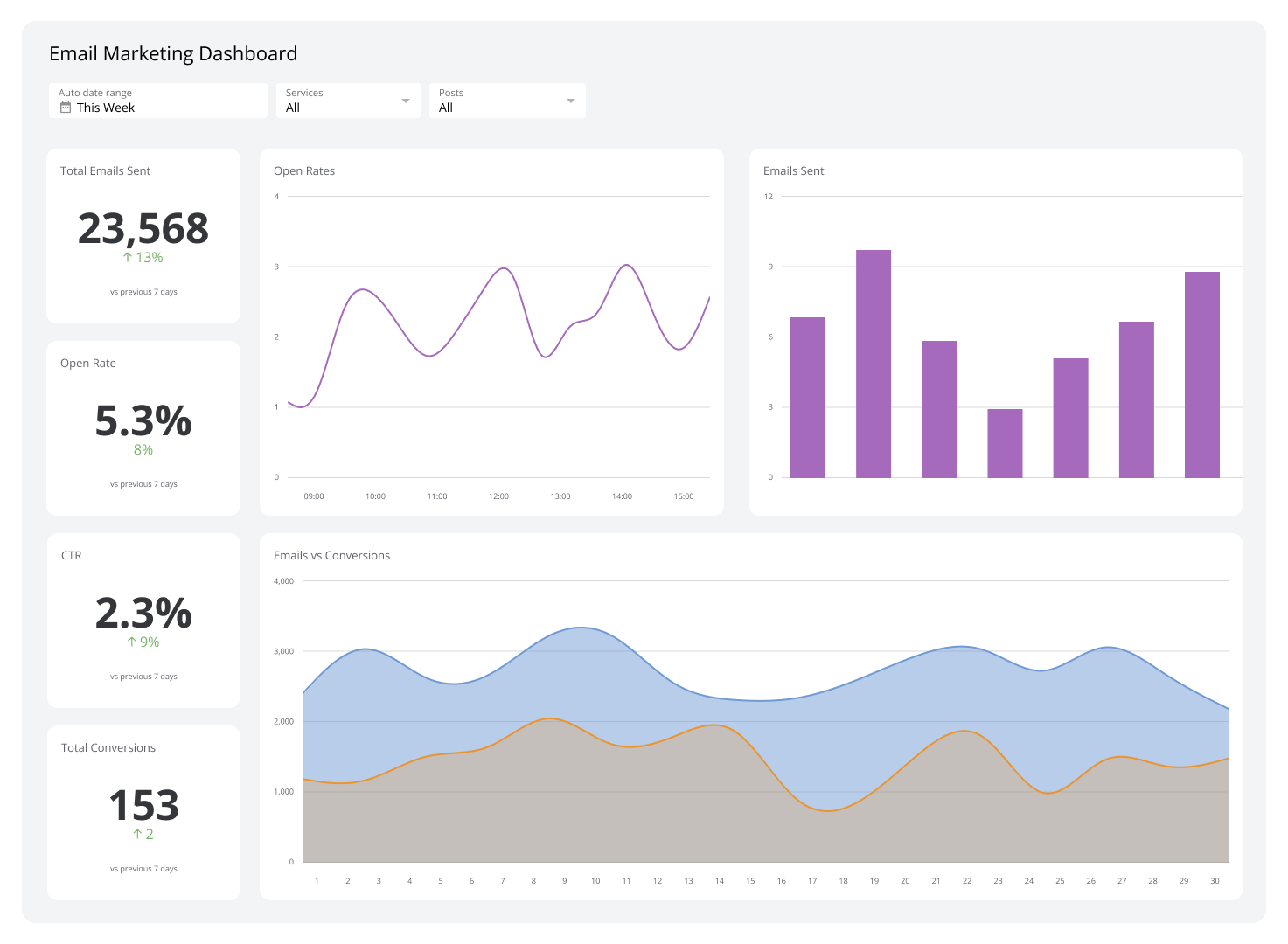
Credit: www.klipfolio.com

Common Mistakes in Email Marketing

There are some common mistakes in email marketing. Avoid these to be successful:

1. Sending Too Many Emails

Do not send too many emails. People will get annoyed and unsubscribe. Find a good balance.

2. Ignoring Mobile Users

Many people read emails on their phones. Make sure your emails look good on mobile devices.

3. Not Personalizing Emails

People like personalized emails. Use their name and send relevant content. This makes them feel special.

4. Using A Single List

Do not send the same email to everyone. Create different lists for different groups. This way, you can send more relevant emails.

5. Forgetting To Test

Always test your emails before sending. Check for mistakes and make sure everything works.

Frequently Asked Questions

What Is Email Marketing?

Email marketing uses emails to promote products or services. It's a direct way to communicate with customers.

How Does Email Marketing Work?

Businesses send emails to a list of subscribers. These emails can include offers, updates, or newsletters.

Why Is Email Marketing Important?

Email marketing helps build relationships. It keeps customers informed and can drive sales.

What Are The Benefits Of Email Marketing?

Email marketing is cost-effective. It reaches a large audience quickly. It can also be personalized.

Conclusion

Email marketing is a powerful tool. It helps businesses connect with customers. It is cheap, easy, and effective. Follow the tips in this article to create successful email marketing campaigns. Remember to keep your messages short and interesting. Happy emailing!

AlterLeads.com Review , A Reliable Solution for Targeted B2B Lead Generation


AlterLeads.com , A Reliable Solution for Targeted B2B Lead Generation

**AlterLeads.com** is a B2B lead generation platform designed to help businesses connect with targeted prospects across various industries. By offering a combination of intelligent prospecting, data enrichment, and lead management tools, AlterLeads aims to streamline the lead generation process for sales and marketing teams.

#### Key Features

1. **Targeted Lead Lists**
   AlterLeads provides highly targeted lead lists, customized based on criteria such as industry, company size, location, and job title. This granular targeting ensures that businesses can focus their outreach on the most relevant prospects, maximizing the effectiveness of their campaigns.

2. **Data Enrichment Tools**
   The platform offers robust data enrichment features that help businesses improve their existing contact lists. AlterLeads automatically updates and enriches lead data with accurate contact details, reducing the time and effort spent on manual research. This helps ensure that outreach campaigns are based on the most up-to-date information available.

3. **Lead Scoring**
   AlterLeads offers an intelligent lead scoring system that helps sales teams prioritize the most promising leads based on engagement, company fit, and other metrics. This feature allows businesses to focus their efforts on leads with the highest likelihood of conversion, improving overall sales efficiency.

4. **CRM Integration**
   For seamless workflow management, AlterLeads integrates with popular CRM systems, including Salesforce, HubSpot, and Zoho. This integration ensures that all lead data is synchronized across platforms, making it easier to manage outreach campaigns and track interactions with prospects.

5. **Multi-Channel Outreach**
   AlterLeads supports multi-channel outreach, allowing businesses to engage with prospects through email, phone, and social media. This flexibility enhances engagement opportunities and helps sales teams nurture leads across various touchpoints.

6. **Real-Time Lead Alerts**
   One of the standout features of AlterLeads is its real-time lead alerts. These alerts notify users when new, high-quality leads matching their criteria become available, ensuring that sales teams can act quickly and reach out to prospects at the right time.

7. **Customizable Dashboards**
   The platform offers customizable dashboards, giving users the ability to track key performance metrics and monitor the progress of their campaigns in real-time. These dashboards provide valuable insights that help teams refine their strategies and make data-driven decisions.

#### Pros

- **Targeted and Accurate Leads:** AlterLeads’ focus on providing highly relevant and accurate leads makes it easier for businesses to connect with the right prospects.
- **Comprehensive Data Enrichment:** The automatic updating and enrichment of contact information ensure that users are working with the best data possible.
- **Real-Time Alerts:** Instant lead notifications allow businesses to stay ahead of competitors by reaching out to new prospects promptly.
- **Easy CRM Integration:** Seamless integration with CRMs helps reduce manual data entry and streamline the sales process.
- **User-Friendly Interface:** The platform’s intuitive design makes it easy to use, even for those without extensive lead generation experience.

#### Cons

- **Limited Industry Reach:** While AlterLeads excels at providing targeted leads, it may not cover every niche industry, limiting its usefulness for highly specialized sectors.
- **Data Accuracy Issues:** As with any lead generation platform, there may occasionally be inaccuracies in contact details or outdated information, leading to wasted outreach efforts.
- **Pricing Transparency:** The pricing model on the website is not always fully transparent, and prospective users may need to request a demo or contact sales for specific pricing information.

#### Conclusion

**AlterLeads.com** offers a robust solution for businesses looking to enhance their B2B lead generation efforts. With its focus on targeted leads, data enrichment, and seamless CRM integration, the platform is well-suited for companies seeking to improve their prospecting efficiency and close deals faster. Its real-time lead alerts and multi-channel outreach capabilities make it a versatile tool for sales teams aiming to connect with the right prospects at the right time.

While there may be occasional data accuracy issues and limitations in industry coverage, **AlterLeads.com** stands out as a user-friendly, effective platform for lead generation. Businesses looking for a tool that simplifies the process of finding and engaging with high-quality leads will find significant value in AlterLeads.

VISIT WEBSITE

How To Build Your Email List using Super Squeeze Pages


Email marketing is a very cheap way to generate sales for your local business as you can use your email list for successive marketing campaigns without going back to the drawing board to get new prospects. In our previous article, we tackled how to drive traffic to your squeeze page and in this article we will look at how to create a compelling squeeze page that gets people to sign up to your list.

As you know, a squeeze page is designed specifically to get people to opt-in or sign up and there are some simple ways to increase your conversion rates.

No distractions- a common mistake is to try and put too much information on your squeeze page but this only distracts your prospects and lowers opt-in rates. The only information that should be there is a clear message for just the name and email address of the prospect in exchange for the free product/service you are offering. This is not the place to start putting ads or links.

Create a valuable product/service to give away for free to make people feel they are getting a good deal when they sign up. That free offer should offer amazing value in the eyes of the prospect. You can create a report, a video, a coupon or whatever suits your kind of business and budget.

Reverse squeeze page- you can use this technique that uses reverse psychology to get sign ups. Basically you offer the first part of your free offer directly to your prospect and then offer the second part if they sign up. This actually helps you filter your traffic to create a more targeted email list of potential buyers rather than mere window shoppers
Create a professional looking squeeze page.  Choose clean and modern designs that don’t look hyped up or phony as prospects will be suspicious about the credibility of your business.

To get New Business Leads Every day please visit our Lead
Generation Software company at https://alterleads.com/


Three Reasons Your Local Business Needs Internet Marketing


You know you need to promote your local business, and we hope, by now, you have heard that you need to use some internet marketing techniques if you want to help your business grow and really compete in today’s marketplace.  

You didn’t get to where you are now by making a lot of mistakes and poor choices, so it stands to reason that you probably want some answers to questions you might have about just why internet marketing is so important to your business’ success – and you probably wonder whether it’s even necessary.

The fact is, unless you own the only watering trough in a one horse town, you need internet marketing desperately.  Here are three reasons why.

1. You Need To Be Able To Compete.

Let’s take a minute to pretend you own a nifty little bookstore with a cafĂ© and coffee shop attached.  You offer free Wi-Fi, and you do a pretty good business in coffee and crepes, but you’re wondering why the books you have for sale are gathering so much dust.  The answer?  People in your area are bombarded with great offers from sellers like Amazon and Barnes and Noble.  By the time they find out you have the same great bestseller for sale as the big box retailers, and at a price that’s competitive, they’ve already bought the title.  Worse, they’re bringing their new book into your shop and reading it while sipping a three dollar latte and feeling righteous for coming to your store instead of Starbucks.

How do you compete?  Internet Marketing.  You get up on Facebook, you tweet, and you let people know what’s out there.  You tell them, “Hey, for every five books you buy, you get a sixth one free – or you get a latte when you buy a book.”  Something.  Get them in the door and sell your product.

2. You Want Your City to Thrive

How many empty storefronts are in your town?  You want to drive business to local retailers, partly because you’re one of them, but partly because you want your city or town to be the kind of place where you, and other people want to live. You want your kids to go to a good school, you want the police and fire department to arrive on time for emergencies; you want a good life.  

How do you help your city thrive? You grow your business, and you pay more taxes (sorry – that really is part of the big picture!).  You do what you can to make your town a nice place to be.  Internet marketing helps you get a good share of local and global business, so you can continue enjoying life on your terms.

3. You Want to Retire Someday

The answer:  internet marketing.  Hire a marketing company that can help you be more profitable, hire people to do the work you’re slaving over now, and take a vacation, already.  You deserve it! You can start right away by visiting our website and try our Lead Generation Software and get new business leads to convert into customers, please visit https://alterleads.com/

Play Sudoku, Chess, Othello, Solitaire

Can My B2B Small Business Succeed on TikTok? Myths Debunked - BizTavern.com

Yes, a B2B small business can succeed on TikTok, but only if you treat it as a search engine for business problems rather than a dance floo...