Analytics: Unlocking Data-Driven Decision Making for Success

Welcome! Today, we will learn about analytics. This guide is simple and easy to understand. Let’s begin!

What is Analytics?

Analytics is the process of looking at data. Data can be numbers, words, or facts. We use analytics to understand this data. It helps us make better decisions.

Why is Analytics Important?

Analytics helps us in many ways:

  • It helps businesses make better choices.
  • It shows what is working and what is not.
  • It helps save time and money.

Types of Analytics

There are different types of analytics. Let’s look at some of them:

1. Descriptive Analytics

Descriptive analytics tells us what has happened. It looks at past data. For example, it can tell us how many products we sold last month.

2. Diagnostic Analytics

Diagnostic analytics tells us why something happened. It helps find the reasons. For example, it can tell us why sales went down last month.

3. Predictive Analytics

Predictive analytics tells us what might happen in the future. It uses past data to make guesses. For example, it can tell us how many products we might sell next month.

4. Prescriptive Analytics

Prescriptive analytics tells us what to do. It gives advice based on data. For example, it can tell us to make more ads to sell more products.

How Do We Use Analytics?

We can use analytics in many ways. Here are some examples:

1. In Business

Businesses use analytics to make better choices. They look at data to see what customers like. They use this information to improve their products.

2. In Healthcare

Doctors use analytics to understand patient data. It helps them give better treatment. It also helps in finding diseases early.

3. In Sports

Teams use analytics to improve performance. They look at data from games. They use this data to train better and win more games.

4. In Education

Schools use analytics to understand student performance. They look at test scores and attendance. They use this data to help students learn better.

Analytics: Unlocking Data-Driven Decision Making for Success

Credit: digital.gov

Tools for Analytics

There are many tools to help with analytics. Here are some popular ones:

Tool Description
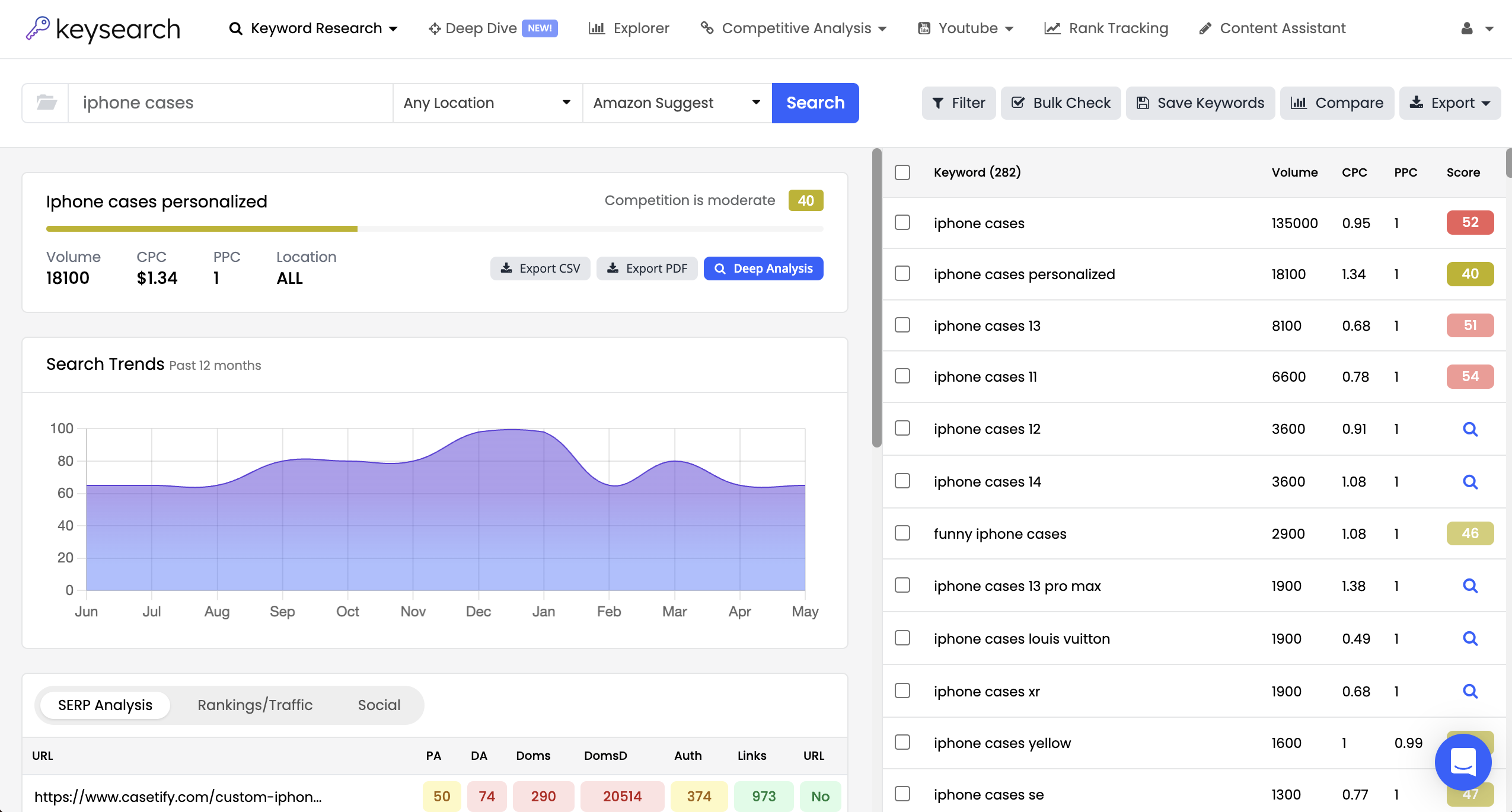
Google Analytics Helps websites track visitors and their behavior.
Excel Helps with data organization and simple analysis.
Tableau Helps create visual reports from data.
R A programming language for advanced data analysis.
Python Another programming language for data analysis.

Steps to Start Using Analytics

Here are the steps to start using analytics:

1. Collect Data

First, collect the data you need. This can be from sales, website visits, or other sources.

2. Organize Data

Next, organize the data. Use tools like Excel to sort and filter the data.

3. Analyze Data

Then, analyze the data. Look for patterns and trends. Use tools like Google Analytics or Tableau.

4. Make Decisions

Finally, use the analysis to make decisions. This can help you improve your business or project.

Common Terms in Analytics

Here are some common terms you might hear in analytics:

  • Data: Information collected from different sources.
  • Metrics: Measurements used to track performance.
  • KPIs: Key Performance Indicators. Important metrics for business goals.
  • Dashboard: A tool to display data in visual formats.
  • Big Data: Very large sets of data that need special tools to analyze.
Analytics: Unlocking Data-Driven Decision Making for Success

Credit: blog.google

Benefits of Using Analytics

There are many benefits to using analytics:

  • Helps make better decisions.
  • Shows what is working and what is not.
  • Helps save time and money.
  • Improves customer satisfaction.
  • Helps find new opportunities.

Challenges in Analytics

There are also some challenges in using analytics:

  • Data quality can be poor.
  • Analysis can be complex.
  • Tools can be expensive.
  • Requires skilled people.

Frequently Asked Questions

What Is Analytics In Simple Terms?

Analytics is the process of examining data to find patterns and insights.

Why Is Analytics Important For Businesses?

Analytics helps businesses make informed decisions, improve performance, and understand customer behavior.

How Does Data Analytics Work?

Data analytics involves collecting, processing, and analyzing data to draw meaningful conclusions.

What Are The Types Of Data Analytics?

There are four types: descriptive, diagnostic, predictive, and prescriptive analytics.

Conclusion

Analytics is a powerful tool. It helps us understand data. It helps us make better decisions. There are many types and uses of analytics. There are also many tools to help. Start using analytics today. It can help you in many ways.

Thank you for reading this guide on analytics. We hope you found it helpful. Start exploring analytics today!

Social Media Marketing: Boost Your Brand's Online Presence

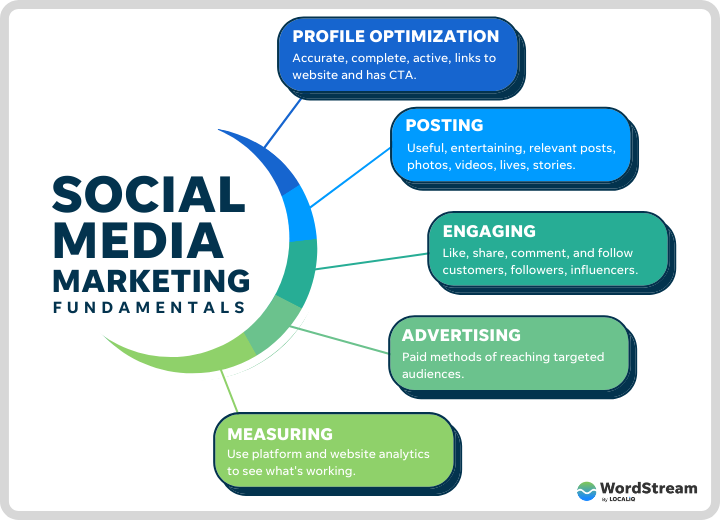
Social media is part of our lives. We use it every day. But, did you know it can help your business too? This is called Social Media Marketing.

What is Social Media Marketing?

Social Media Marketing uses social media platforms to promote your business. This means using Facebook, Instagram, Twitter, and more to reach people. You can share posts, videos, and images to engage with your audience.

Why is Social Media Marketing Important?

Social Media Marketing is important for many reasons. First, it helps you reach a large audience. Many people use social media every day. Second, it is cost-effective. You do not need a big budget to start. Third, it allows for direct interaction with your customers. This builds trust and loyalty.

Popular Social Media Platforms

Different social media platforms are good for different things. Here are some popular ones:

  • Facebook: Great for reaching a wide audience. You can share text, images, and videos.
  • Instagram: Best for sharing images and short videos. Good for visual content.
  • Twitter: Ideal for sharing short messages and updates. Good for quick communication.
  • LinkedIn: Perfect for professional networking. Good for B2B marketing.
  • Pinterest: Great for sharing images and ideas. Good for creative businesses.
  • YouTube: Best for sharing long videos. Good for tutorials and vlogs.
Social Media Marketing: Boost Your Brand's Online Presence

Credit: www.big-red-digital.com

How to Start with Social Media Marketing?

Starting with Social Media Marketing is easy. Follow these steps:

1. Create Your Profile

First, choose a platform. Then, create your profile. Use your business name and logo.

2. Know Your Audience

Next, know who your audience is. Are they young or old? What do they like? This helps you create content they love.

3. Post Regularly

Post content regularly. This keeps your audience engaged. Use images, videos, and text. Mix them up to keep things interesting.

4. Engage With Your Audience

Reply to comments and messages. Ask questions. This shows you care about your audience.

5. Use Analytics

Most platforms have analytics tools. Use them to see what works best. Adjust your strategy based on this data.

Types of Content to Share

There are many types of content you can share. Here are some ideas:

  • Images: Photos of your products, team, or events.
  • Videos: Tutorials, behind-the-scenes, or customer testimonials.
  • Text Posts: Tips, quotes, or updates about your business.
  • Polls: Ask your audience questions. This gets them involved.
  • Stories: Short, temporary posts. Good for quick updates or announcements.

Benefits of Social Media Marketing

Social Media Marketing offers many benefits. Here are some key ones:

1. Increased Brand Awareness

More people will know about your business. This leads to more customers.

2. Better Customer Service

You can quickly respond to customer queries. This improves customer satisfaction.

3. Higher Conversion Rates

Engaged customers are more likely to buy from you. Social media helps you engage with them.

4. Cost-effective

Social Media Marketing is cheaper than traditional advertising. This is great for small businesses.

Social Media Marketing: Boost Your Brand's Online Presence

Credit: www.wordstream.com

Common Mistakes to Avoid

Here are some common mistakes in Social Media Marketing:

  • Not posting regularly. Your audience may forget about you.
  • Ignoring comments and messages. This can upset your audience.
  • Posting only promotional content. Mix it up with engaging content.
  • Not using analytics. You need to know what works and what doesn't.
  • Being on too many platforms. Focus on a few and do them well.

Tips for Effective Social Media Marketing

Here are some tips to make your Social Media Marketing effective:

1. Be Consistent

Post content regularly. This keeps your audience engaged.

2. Be Authentic

Be real and genuine. People appreciate honesty.

3. Use Visuals

Images and videos get more attention than text. Use them often.

4. Engage With Your Audience

Reply to comments and messages. Ask questions. This builds a community.

5. Use Hashtags

Hashtags help people find your content. Use relevant ones.

Frequently Asked Questions

What Is Social Media Marketing?

Social media marketing uses social platforms to promote products or services.

Why Is Social Media Marketing Important?

It helps reach a large audience and increases brand visibility.

How Can Businesses Benefit From Social Media?

Businesses can connect with customers, boost sales, and improve brand loyalty.

What Are The Best Social Media Platforms For Marketing?

Facebook, Instagram, Twitter, LinkedIn, and TikTok are popular choices.

Conclusion

Social Media Marketing is a powerful tool. It helps you reach more people. It builds trust and loyalty. It is cost-effective. Start small. Choose one or two platforms. Post regularly. Engage with your audience. Use analytics to improve. Soon, you will see the benefits. Your business will grow. Give it a try. You have nothing to lose.

Content Marketing: Boost Your Business with Proven Strategies

Content marketing is a way to share useful information. It helps people learn about your business. This guide will help you understand content marketing.

What is Content Marketing?

Content marketing means creating and sharing content. This content can be articles, videos, or social media posts. The goal is to attract and engage people. It helps build trust and loyalty with your audience.

Content Marketing: Boost Your Business with Proven Strategies

Credit: community.hubspot.com

Why is Content Marketing Important?

Content marketing is important for many reasons. It helps your business grow. Here are some benefits of content marketing:

  • Builds Trust: People trust your brand when you share useful information.
  • Increases Traffic: Good content brings more visitors to your website.
  • Boosts Engagement: Engaging content keeps people interested in your brand.
  • Improves SEO: Quality content helps your website rank higher on search engines.
  • Generates Leads: Content marketing can help you get more leads.

Types of Content Marketing

There are many types of content marketing. Each type can help your business in different ways. Here are some common types:

Blog Posts

Blog posts are articles on your website. They can share tips, news, or stories. Blog posts can help you attract new visitors.

Videos

Videos are a great way to share information. They can be tutorials, product demos, or customer stories. Videos are engaging and easy to understand.

Social Media Posts

Social media posts are short updates on platforms like Facebook, Twitter, and Instagram. They can share news, tips, or promotions. Social media posts help you connect with your audience.

Infographics

Infographics are visual representations of information. They can make complex data easy to understand. Infographics are great for sharing on social media.

Podcasts

Podcasts are audio recordings. They can be interviews, discussions, or stories. Podcasts are good for reaching people who prefer listening.

Ebooks

eBooks are longer, in-depth guides. They can provide detailed information on a topic. eBooks are useful for generating leads.

How to Create a Content Marketing Strategy

Creating a content marketing strategy involves several steps. Here is a simple guide to help you get started:

1. Define Your Goals

First, decide what you want to achieve with content marketing. Your goals could be to increase traffic, generate leads, or build brand awareness.

2. Know Your Audience

Understand who your audience is. Know their interests, needs, and problems. This will help you create content that they find valuable.

3. Choose Your Content Types

Decide what types of content you will create. It could be blog posts, videos, or social media posts. Choose the types that best suit your audience.

4. Plan Your Content

Create a content calendar. Plan when and what you will publish. This will help you stay organized and consistent.

5. Create Quality Content

Focus on creating high-quality content. Make sure it is useful, engaging, and easy to understand. Use simple language and short sentences.

6. Promote Your Content

Share your content on different platforms. Use social media, email newsletters, and your website. This will help you reach more people.

7. Measure Your Success

Track your content's performance. Use tools like Google Analytics to see how well your content is doing. This will help you improve your strategy.

Content Marketing: Boost Your Business with Proven Strategies

Credit: hoffmannmurtaugh.com

Tips for Effective Content Marketing

Here are some tips to help you succeed with content marketing:

  • Be Consistent: Publish content regularly. This keeps your audience engaged.
  • Focus on Quality: High-quality content is more valuable than a lot of low-quality content.
  • Use Visuals: Images and videos make your content more engaging.
  • Tell Stories: Stories are more memorable and relatable.
  • Engage with Your Audience: Respond to comments and messages. This builds a connection with your audience.
  • Keep Learning: Stay updated with the latest trends and best practices in content marketing.

Common Content Marketing Mistakes to Avoid

Avoid these common mistakes to ensure your content marketing is effective:

  • Not Knowing Your Audience: Create content that your audience finds valuable.
  • Ignoring SEO: Optimize your content for search engines to increase visibility.
  • Being Inconsistent: Regularly publish content to keep your audience engaged.
  • Focusing Only on Promotion: Create content that educates and entertains, not just promotes.
  • Not Measuring Results: Track your content's performance to improve your strategy.

Frequently Asked Questions

What Is Content Marketing?

Content marketing involves creating and sharing valuable content to attract and engage an audience.

Why Is Content Marketing Important?

It helps build trust with your audience and increases brand awareness.

How Does Content Marketing Drive Sales?

It educates potential customers, which can lead to more informed buying decisions.

What Types Of Content Are Used In Content Marketing?

Blogs, videos, infographics, social media posts, and ebooks are common types.

Conclusion

Content marketing is a powerful tool for your business. It helps build trust and engage your audience. Follow these tips to create an effective content marketing strategy. Remember to focus on quality and consistency. Keep learning and improving your content. Good luck!

Influencer Marketing: Boost Your Brand's Reach Effectively

Influencer marketing is a popular way to promote products. It uses people with large followings. These people are called influencers. They share your product with their followers. This helps your brand get more attention.

What is Influencer Marketing?

Influencer marketing is a type of social media marketing. It involves endorsements from influencers. Influencers are people who have many followers. They can be bloggers, social media stars, or celebrities. These influencers talk about your product. They share posts, videos, or stories with their followers.

Why Use Influencer Marketing?

Influencer marketing has many benefits. Here are some reasons to use it:

  • Reach a larger audience
  • Build trust with customers
  • Increase brand awareness
  • Boost sales
Influencer Marketing: Boost Your Brand's Reach Effectively

Credit: www.talentport.com

How Does Influencer Marketing Work?

Influencer marketing works in a few steps. First, you find the right influencer. Then, you ask them to share your product. They create content about your product. This content can be a post, video, or story. They share this content with their followers. Followers see the content and learn about your product.

Types of Influencers

There are different types of influencers. Here are some examples:

Type Description
Celebrity Influencers Famous people with many followers.
Macro-Influencers People with large followings, but not celebrities.
Micro-Influencers People with smaller followings. Very engaged audience.
Nano-Influencers People with very small followings. Highly engaged audience.

Choosing the Right Influencer

Choosing the right influencer is important. Here are some tips:

  • Check their follower count
  • Look at their engagement rate
  • See if they fit your brand
  • Check their past collaborations

Creating an Influencer Marketing Strategy

To create a strategy, follow these steps:

  1. Set clear goals
  2. Choose the right influencers
  3. Plan your budget
  4. Create engaging content
  5. Track your results
Influencer Marketing: Boost Your Brand's Reach Effectively

Credit: sproutsocial.com

Measuring Success

Measuring success is important. Here are some ways to do it:

  • Track follower growth
  • Check engagement rates
  • Monitor sales
  • Analyze website traffic

Common Mistakes in Influencer Marketing

Avoid these mistakes:

  • Choosing the wrong influencer
  • Not setting clear goals
  • Ignoring engagement rates
  • Not tracking results

Frequently Asked Questions

What Is Influencer Marketing?

Influencer marketing uses influential people to promote products or brands.

How Does Influencer Marketing Work?

Brands collaborate with influencers to reach their audience through social media.

Why Is Influencer Marketing Effective?

Influencers have trusted relationships with their followers, which builds brand trust.

How To Choose The Right Influencer?

Look for relevance, engagement rates, and follower demographics that match your target audience.

Conclusion

Influencer marketing is a powerful tool. It helps brands reach new audiences. It builds trust and increases sales. Choose the right influencer. Create a good strategy. Measure your success. Avoid common mistakes. Use influencer marketing to grow your brand.

PPC Strategies: Boost Your ROI with Expert Tips

What is PPC?

PPC stands for Pay-Per-Click. It is a type of online advertising. Advertisers pay a fee each time their ad is clicked. This helps drive traffic to their website.

How Does PPC Work?

When you search on Google, you see ads at the top. These ads are PPC ads. Advertisers bid on keywords. When someone searches for these keywords, the ads appear. If someone clicks on the ad, the advertiser pays a fee.

Benefits of PPC

PPC has many benefits. It helps bring traffic to your website. This can lead to more sales. It is also easy to measure. You can see how many people click on your ad. You can also see how much you spend.

Benefit Description
Quick Results PPC ads can show up fast. You can see results quickly.
Targeted Audience You can choose who sees your ads. This helps reach the right people.
Control Over Budget You decide how much to spend. This helps control costs.

Types of PPC Ads

There are different types of PPC ads. Each has its own use.

  • Search Ads: These appear on search engines like Google.
  • Display Ads: These are shown on websites. They can be images or videos.
  • Shopping Ads: These show products with prices. They appear on search engines.
  • Video Ads: These are shown on platforms like YouTube.
PPC Strategies: Boost Your ROI with Expert Tips

Credit: www.digitallogic.co

Steps to Create a PPC Campaign

Creating a PPC campaign involves several steps. Here are the main steps:

  1. Set Goals: Decide what you want to achieve. This could be more sales or more traffic.
  2. Choose Keywords: Select words people will search for. These should be related to your product or service.
  3. Create Ads: Write the text for your ad. Make it clear and interesting.
  4. Set Budget: Decide how much you will spend. This helps control costs.
  5. Launch Campaign: Start your campaign. Keep an eye on its performance.

Tips for Effective PPC Campaigns

Here are some tips to make your PPC campaigns better:

  • Use Relevant Keywords: Choose keywords that match your product.
  • Write Clear Ads: Make sure your ads are easy to understand.
  • Monitor Performance: Keep track of how your ads are doing. Adjust if needed.
  • Use Negative Keywords: These are words you do not want your ad to show for. This helps save money.
  • Test Different Ads: Try different versions of your ads. See which works best.
PPC Strategies: Boost Your ROI with Expert Tips

Credit: www.mayple.com

Common PPC Mistakes to Avoid

Avoid these mistakes to make your PPC campaigns better:

  • Ignoring Budget: Always keep an eye on your budget.
  • Not Testing Ads: Test different ads to see what works best.
  • Using Broad Keywords: Be specific with your keywords.
  • Not Monitoring Performance: Check how your ads are doing. Make changes if needed.
  • Skipping Negative Keywords: Use negative keywords to save money.

Frequently Asked Questions

What Is Ppc In Digital Marketing?

PPC stands for Pay-Per-Click. Advertisers pay a fee each time their ad is clicked.

How Does Ppc Work?

Advertisers bid on keywords. Ads show up in search results. Payment is made when users click the ad.

Why Use Ppc Advertising?

PPC is effective for reaching target audiences. It drives traffic quickly and can increase conversions.

What Are Ppc Keywords?

PPC keywords are terms that advertisers bid on to display ads. They are crucial for targeting the right audience.

Conclusion

PPC is a great way to get traffic to your website. It is easy to measure and control. Follow these steps and tips for a successful campaign. Avoid common mistakes to save money and get better results.

SEO: Mastering the Art of Search Engine Optimization


SEO stands for Search Engine Optimization. It helps websites get found online. When people search, SEO makes your website show up. This guide will help you understand SEO.

What is SEO?

SEO is about improving your website. It helps search engines find and rank your site. Higher ranking means more visitors.

SEO: Mastering the Art of Search Engine Optimization

Credit: searchengineland.com

Why is SEO important?

SEO brings more traffic to your website. More traffic means more chances to sell or share. Without SEO, people might not find your site.

How do search engines work?

Search engines like Google have robots. These robots scan websites. They look for keywords, links, and content. Then, they rank sites based on what they find.

Keywords

Keywords are words people search for. Use keywords in your content. This helps search engines understand your site. Choose keywords that match your topic.

Keyword Type Example
Short-tail SEO
Long-tail SEO for beginners

Content

Content is what you write on your website. Good content is helpful and interesting. Use keywords naturally in your content. Don't overuse them.

Links

Links help search engines find your site. There are two types of links: internal and external.

  • Internal links connect pages on your site.
  • External links connect to other websites.

Use links to guide visitors. Link to useful pages. This helps search engines understand your site.

SEO: Mastering the Art of Search Engine Optimization

Credit: academy.moz.com

Meta Tags

Meta tags describe your website. They don't show on the page. Search engines read meta tags. Important meta tags are:

  • Title tag - The title of your page.
  • Description tag - A brief summary of your page.

Image SEO

Images can help your SEO. Use alt text for images. Alt text describes the image. Search engines read alt text.

Mobile Optimization

Many people use phones to search. Make sure your site works on phones. Mobile-friendly sites rank higher.

Page Speed

Fast websites rank better. Check your page speed. Fix anything that slows it down.

Analytics

Analytics show how your site is doing. Tools like Google Analytics help. Look for trends and improve your site.

Frequently Asked Questions

What Is Seo?

SEO stands for Search Engine Optimization. It helps improve your website's visibility in search engines.

Why Is Seo Important?

SEO drives organic traffic to your website. It helps increase online presence and reach potential customers.

How Does Seo Work?

SEO works by optimizing website content, structure, and links. It helps search engines understand and rank your site.

What Are Keywords In Seo?

Keywords are words or phrases that users search for. They help search engines identify relevant content.

Conclusion

SEO helps your website get found. Use keywords, good content, and links. Check your page speed and mobile optimization. Use analytics to improve. This guide is just the beginning.

Keyword Research: The Ultimate Guide to Boost Your SEO


Keyword research is very important for your website. It helps you find the words people use on search engines. With these words, you can attract more visitors.

Keyword Research: The Ultimate Guide to Boost Your SEO

Credit: zapier.com

What is Keyword Research?

Keyword research is finding the words people type in search bars. These words are called keywords. They help you know what people are looking for.

Why is Keyword Research Important?

Keyword research helps you understand your audience. You can create content they want. This brings more visitors to your website. More visitors mean more success.

How to Do Keyword Research

There are many steps to do keyword research. Follow these steps to find the best keywords.

1. Make A List Of Topics

Think about your website. What is it about? Make a list of topics related to your website. For example, if you have a cooking website, your topics might be recipes, cooking tips, and healthy eating.

2. Find Keywords For Each Topic

Next, think of words related to each topic. These are your potential keywords. For example, for the topic "recipes," you might use "easy recipes," "quick recipes," and "dinner recipes."

3. Use Keyword Research Tools

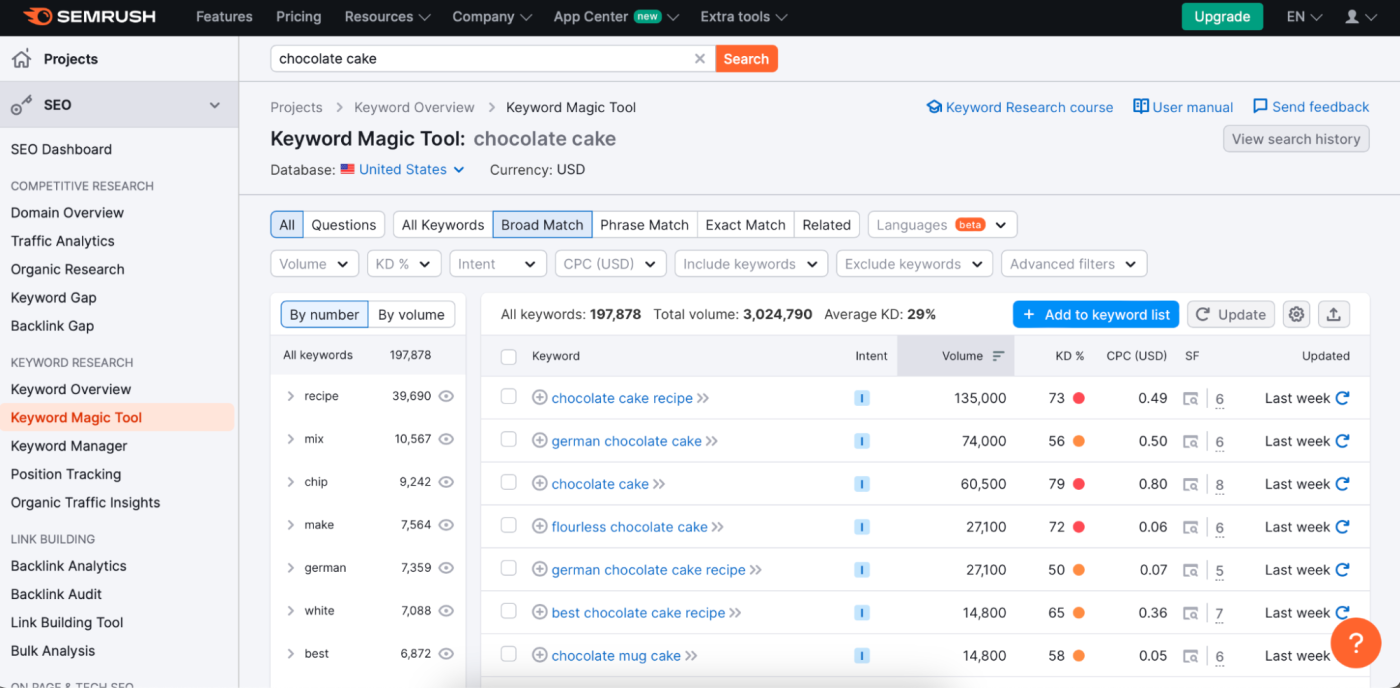
There are tools to help you find the best keywords. Some popular tools are Google Keyword Planner, Ubersuggest, and Ahrefs. These tools show you how many people search for each keyword. They also show how hard it is to rank for each keyword.

4. Analyze Your Competition

Look at your competitors. See which keywords they use. This can give you ideas for your own keywords. You can use tools like SEMrush to see your competitors' keywords.

5. Choose The Best Keywords

Now, choose the best keywords for your website. Look for keywords with high search volume and low competition. These are the easiest keywords to rank for.

Types of Keywords

There are different types of keywords. Each type has its own use.

Short-tail Keywords

Short-tail keywords are one or two words long. They are very broad. For example, "shoes" is a short-tail keyword. These keywords have high search volume but also high competition.

Long-tail Keywords

Long-tail keywords are three or more words long. They are more specific. For example, "red running shoes for women" is a long-tail keyword. These keywords have lower search volume but also lower competition.

Lsi Keywords

LSI stands for Latent Semantic Indexing. These keywords are related to your main keyword. For example, if your main keyword is "apple," LSI keywords might be "fruit," "juice," and "pie."

Using Keywords in Your Content

Once you have your keywords, use them in your content. This helps search engines understand your content. Here are some tips to use keywords effectively.

1. Use Keywords In Titles And Headings

Include your main keyword in your title. Also, use keywords in your headings. This makes your content more relevant.

2. Use Keywords In The First Paragraph

Include your main keyword in the first paragraph. This helps search engines know what your content is about.

3. Use Keywords Naturally

Do not stuff your content with keywords. Use them naturally. Make sure your content is easy to read.

Common Mistakes in Keyword Research

There are some common mistakes people make in keyword research. Avoid these mistakes to get better results.

1. Ignoring Search Intent

Search intent is the reason behind a search. Make sure your keywords match the search intent. If people search for "buy shoes," they want to buy shoes, not read about them.

2. Focusing Only On High Search Volume

High search volume is good, but competition is also important. Choose keywords with lower competition to get better results.

3. Not Updating Keywords

Trends change over time. Update your keywords regularly to stay relevant. Use tools to find new keywords.

Keyword Research: The Ultimate Guide to Boost Your SEO

Credit: www.keysearch.co

Frequently Asked Questions

What Is Keyword Research?

Keyword research is finding popular words people use in search engines.

Why Is Keyword Research Important?

It helps you understand what people are searching for. This can improve your website traffic.

How Do You Do Keyword Research?

Use tools like Google Keyword Planner. Look for words related to your topic.

What Are Long-tail Keywords?

These are longer, more specific keyword phrases. They often have less competition.

Conclusion

Keyword research is very important for your website. It helps you find the words people use on search engines. With these words, you can attract more visitors. Follow the steps in this guide to find the best keywords for your website.

How to Run a Successful Micro-Influencer Campaign on a Shoestring Budget: Proven Tips

 Many small businesses want to grow online. They want more people to know their brand. One good way is using micro-influencers. These are pe...